Overview.
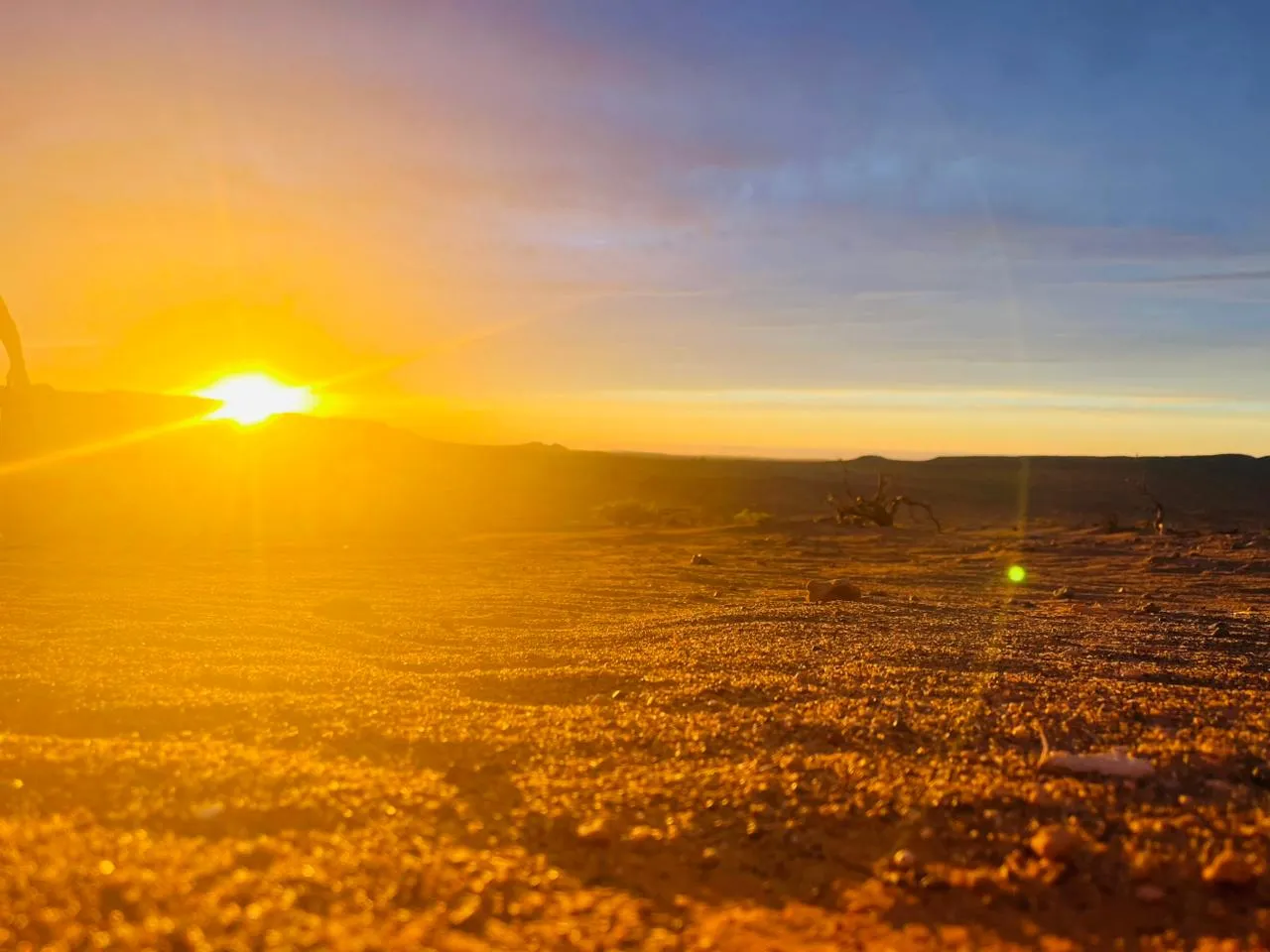
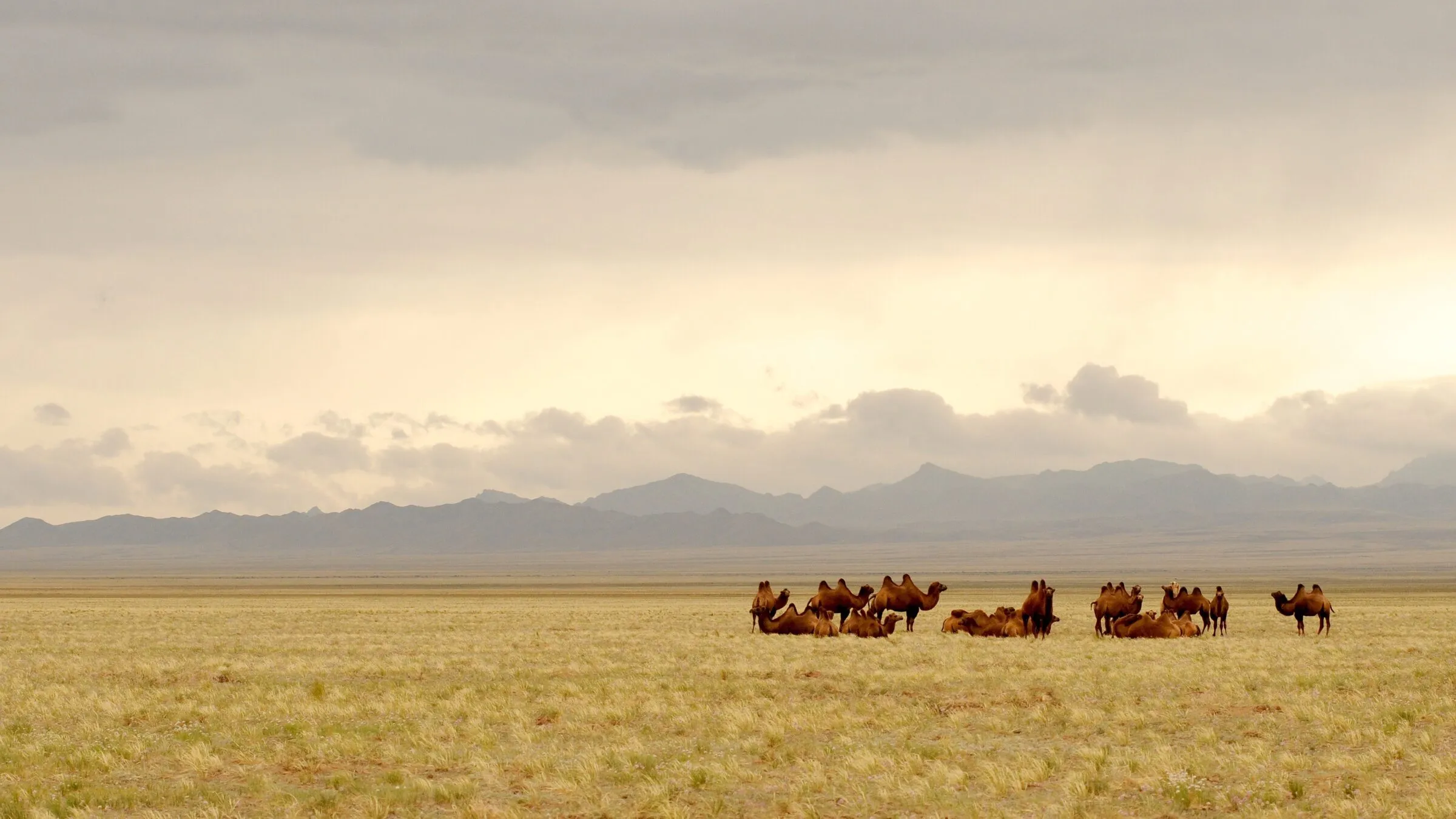
This 6-day Gobi Desert tour is the core Gobi loop, four landmark sites in a single circuit out of Ulaanbaatar. Tsagaan Suvarga's white limestone cliffs at sunrise. Yoliin Am, a deep canyon in the Gurvan Saikhan Mountains shaded enough to keep ice into late June. The Khongor Singing Dunes, 80 meters tall, 180 kilometers long, with a Bactrian camel ride at the base. Bayanzag's Flaming Cliffs, where the world's first known dinosaur eggs were discovered in 1922. Travel is by Toyota Land Cruiser, accommodation is in ger camps and one nomadic family stay, and group size is two to six guests, your group only.
Weighing this against the other routes? See our Gobi Desert tours.
- Region
- Gobi Mongolia
- Duration
- 6 days
- Best season
- May, September
- Group size
- 2-6 guests
Pricing
| Pricing | Per person, per day |
|---|---|
| 2 travelers | $230 |
| 3-4 travelers | $170 |
| 5-6 travelers | $135 |
Solo travelers: rates on inquiry.
- Included
- English-speaking Mongolian guide · driver and 4WD vehicle · fuel · ger camps and family stays · all meals on tour · national park entry fees.
- Not included
- International flights · domestic flights · travel insurance · personal expenses · festival tickets (Naadam, Golden Eagle) where applicable · tips.
Pricing in USD. Final quote tailored to your exact dates, group, and any custom routing, sent within 24 hours of your inquiry.
Departures
Departures run on request through the season, tell us your dates and we hold a date for you.