
Skip to content
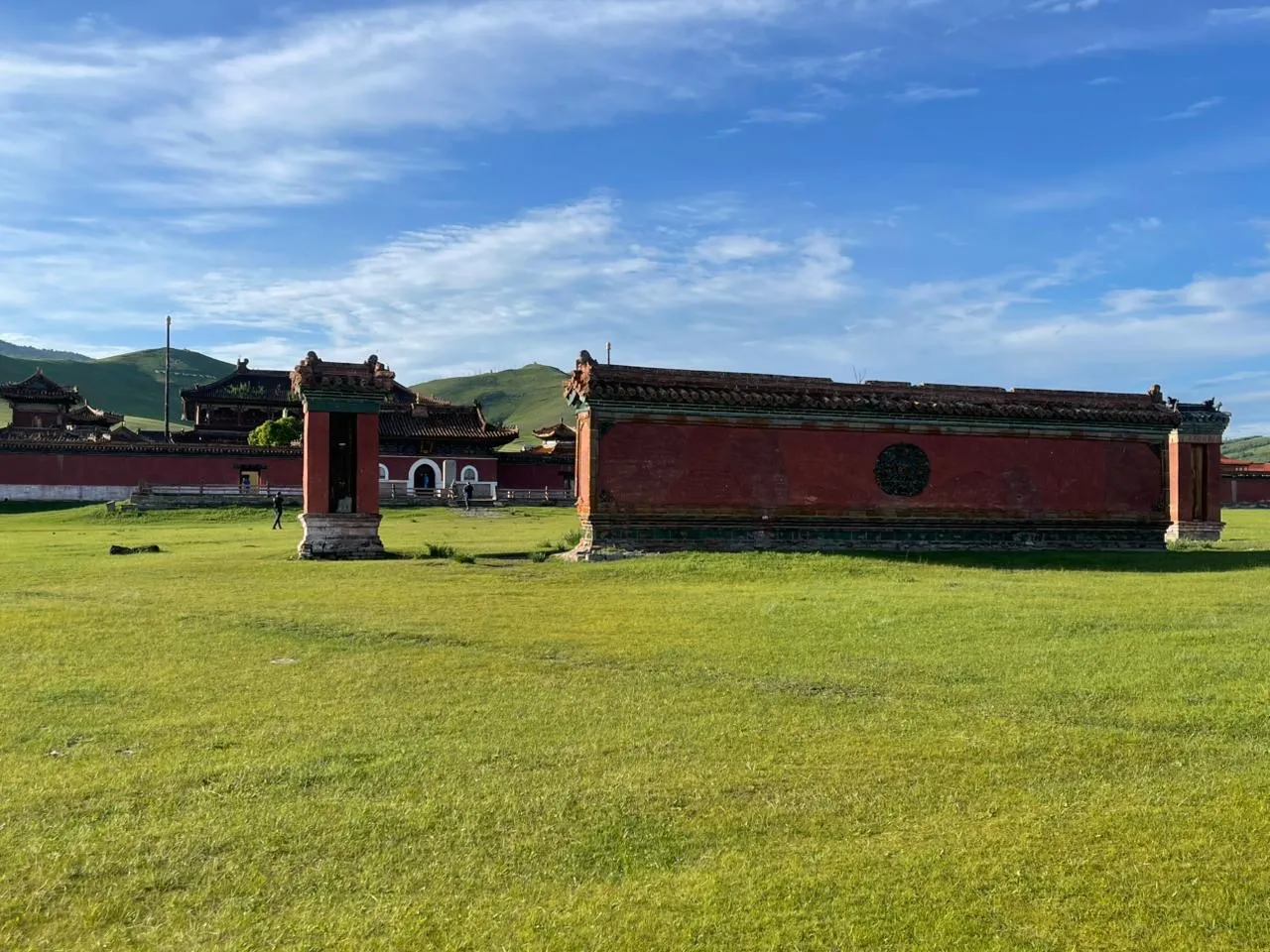
Open steppe under a wide sky in central Mongolia.

Before You Go

Before you go.

Practical notes – visas, seasons, weather, connectivity, food, money, and how our trips run.

Mongolia is a country most travelers visit once and remember for years. The information that prepares you for the trip is harder to find online than for most destinations. This page is a working set of notes – what we tell people who ask. Anything specific to your trip we will cover personally before you book.

Do I need a visa for Mongolia?

Most travelers from the United States, the European Union, the United Kingdom, Japan, South Korea, Australia, and Canada can enter Mongolia without a visa for stays of up to 30 days. A passport valid for at least six months beyond your travel dates is required.

Travelers from many other countries can apply for a visa on arrival or in advance through a Mongolian embassy. Visa policy is reviewed regularly – confirm the current rules with us and with your nearest Mongolian embassy before booking flights.

When is the best time to visit Mongolia?

Mongolia is sharply seasonal. The peak travel season is June through August: long days, green steppe, accessible mountain passes, full ger camps. Naadam, the national festival, falls July 11–13. The Golden Eagle Festival is held in early October in Bayan-Ölgii.

September and October offer shorter days, gold weeks in the northern forests, fewer travelers, and the eagle festival. November through February are very cold but right for visiting Kazakh eagle hunters in the Altai – temperatures down to −30°C and below in the highlands.

March is the end of winter; April and May are transitional, often dusty, with unreliable conditions on the steppe roads. We steer you toward the season that fits the trip you want.

What is the weather like, and what should I pack?

Mongolia has a continental climate with sharp temperature swings between day and night, even in summer. Always pack in layers.

Summer needs sun protection, a brimmed hat, breathable layers, a warm fleece for evenings, and a light rain shell for thunderstorms. Winter requires serious cold-weather gear: thermal base layers, insulated boots, an outer shell, hat, gloves, neck cover.

After booking, we send a packing list customized to your itinerary and the season you are traveling.

What is the mobile coverage like, and what languages are spoken?

Mobile coverage (4G) reaches Ulaanbaatar, the regional centers, and most major routes. Remote areas – the Altai high passes, the deep taiga, parts of the Gobi – are off-network. WhatsApp works on Wi-Fi at most ger camps where Wi-Fi exists.

Mongolian is the national language and uses the Cyrillic alphabet. Most of our drivers speak some English; Buya leads in English. Baska replies to inquiries in your language. Russian is widely understood by older generations. Mandarin is common in commerce and tourism.

What about altitude, water, and health on the trips?

Ulaanbaatar sits at 1,300 meters. Most of our routes stay below 2,500 meters. The Altai Tavan Bogd region reaches 4,000 meters at the highest passes – we acclimatize gradually and the standard hiking does not require technical climbing experience.

Standard travel vaccinations are sufficient; consult your doctor. Drink filtered or bottled water in remote areas. We carry a basic first-aid kit and satellite communications on all trips. Travel insurance that covers medical evacuation is required for all guests.

What about travel insurance?

Travel insurance is required on every trip we run. Mongolia has top urban hospitals in Ulaanbaatar, but our routes go far from them, at minimum, your policy must include emergency medical evacuation cover.

We don't sell insurance, and we don't take a commission. Two providers our travelers come back happy with: SafetyWing (subscription-based, friendly to long trips) and World Nomads (single-trip cover for adventure activities). Either is fine. Buy whichever your country and trip length allow.

Send us your policy number and the emergency contact details once you've booked, and we keep them on file for the trip. We will never ask for the full document.

What is the food like in Mongolia?

Mongolian cuisine is meat-heavy – mutton, beef, and horse – often dried, boiled, or grilled. Dairy is central: yogurt, hard cheese, fermented mare's milk (airag) in summer.

Ger camps and families along our routes serve a mix of traditional dishes and accommodating travel food. Vegetarian and pescatarian meals can be arranged with advance notice. Strict vegan, gluten-free, or other specific diets are possible but require the most planning – tell us early.

What currency and payment methods work in Mongolia?

The local currency is the tugrik (MNT). ATMs work in Ulaanbaatar and regional centers. Major cards (Visa, Mastercard) are accepted at city hotels and restaurants but rarely in the countryside.

Bring USD or EUR cash for use outside the cities. We help with exchange in Ulaanbaatar before departing. Tipping is appreciated but not required.

How do your trips run?

Our trips run in small groups – typically two to six guests. We do not run scheduled departures with strangers; the trip you book is your trip, with your group.

Drivers are people we have worked with for years. Vehicles are Toyota Land Cruisers or equivalent – appropriate to the routes. Ger camps and family stays are confirmed in advance.

Most days include 4 to 6 hours of driving in the regions; travel days are longer. The full day-by-day, what is included, and what is not, is on each tour's detail page.

What are the booking, deposit, and cancellation terms?

Specific terms – deposit percentage, when the balance is due, cancellation policy, what is included and what is not – are confirmed with each itinerary at the booking stage. We share these in writing before any payment is made. The detailed standard terms will be added here once finalized with the operator.

Compare tours