Day 1: Khugnu Khan & Bayan Gobi sand dunes
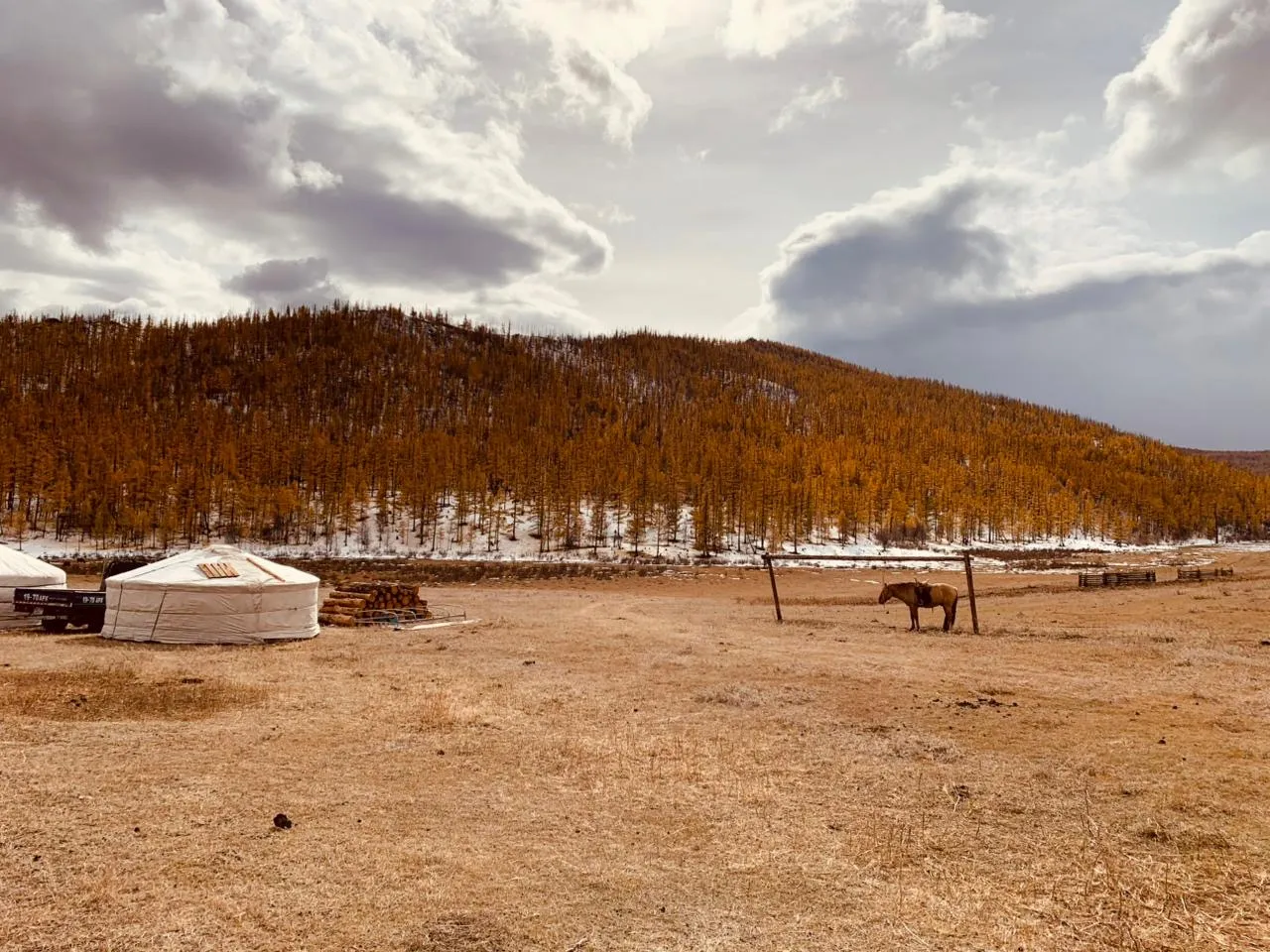
Drive to the Bayan Gobi Sand Dunes, a small desert surrounded by hills, willow trees, streams, and bushes in central Mongolia. The dunes stretch about 80 km in length and 9-10 km at their widest point. After resting at a ger camp, visit a nomadic family to learn about the nomadic lifestyle. The sand dunes are ideal for camel riding, and you will ride the gentle two-humped Bactrian camel.
Day 2: Orkhon Waterfall & Horse riding
Orkhon Waterfall, also known as Ulaan Tsutgalan, is one of the largest and most beautiful waterfalls in Mongolia. It is in the Orkhon Valley, a UNESCO World Heritage Site. The waterfall was formed by volcanic activity around 20,000 years ago and drops about 24 meters into a scenic gorge. Surrounded by forested mountains and open pastureland, the valley is home to yaks and other livestock. Stay overnight in a ger camp.
Day 3: Horse riding & trekking
Enjoy horse riding and trekking through the beautiful landscapes of the Orkhon Valley. Experience Mongolia’s traditional way of travel while exploring valleys, rivers, and open grasslands.
Day 4: Tovkhon Monastery & Tsenkher Hot Springs
In the morning, Tovkhon Monastery is located on a rocky mountain peak surrounded by dense forest, at an altitude of 2,312 meters above sea level. The monastery stands on a small flat area among steep cliffs. It was founded in 1651 by Zanabazar (the first Bogd Gegeen of Mongolian Buddhism). Explore the monastery and meditation caves and enjoy panoramic views from the mountaintop. Afterward, travel to Tsenkher Hot Springs to relax in natural outdoor hot pools surrounded by beautiful mountain scenery. Overnight at a ger camp.
Day 5: Karakorum museum & Erdene Zuu Monastery
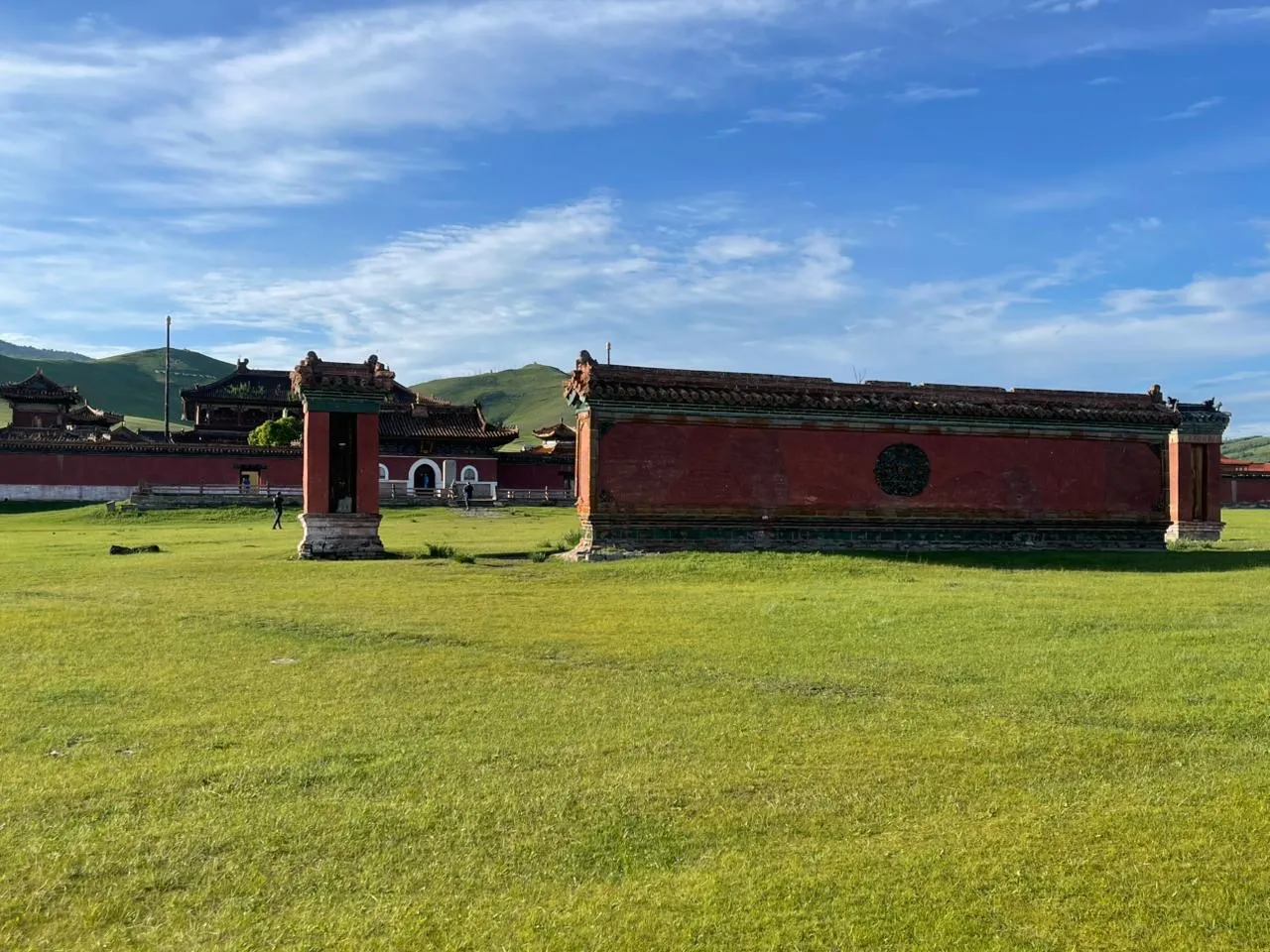
Just outside Kharkhorin in central Mongolia, Erdene Zuu Monastery is a must-visit for history and culture lovers. Built in 1586 on the ruins of the ancient capital Kharkhorum, it’s Mongolia’s oldest Buddhist monastery. Wander among 108 gleaming white stupas and soak in the peaceful atmosphere while discovering centuries of spiritual and cultural heritage. A short walk away, the Karakorum Museum (opened in 2011) brings the Mongol Empire to life. Explore fascinating archaeological finds from the Orkhon Valley and learn about the rise and fall of Kharkhorum, Mongolia’s legendary ancient capital.
Day 6: Terelj National Park
Terelj National Park is famous for its striking rock formations, lush valleys, and traditional ger camps. The highlights include Turtle Rock, a giant granite formation naturally shaped like a turtle, and the Aryabal Meditation Temple, perched on a mountain with peaceful surroundings and a wide-open view of the park.
Day 7: Chinggis Khan Statue & Back to Ulaanbaatar
The Chinggis Khan Equestrian Statue rises 40 meters high, honoring Mongolia’s legendary leader. You can explore the museum inside, climb the horse’s head for wide-open panoramic views. After visiting the statue, we will drive to Ulaanbaatar.