Day 1: Khugnu Tarna Nature & Bayan Gobi Sand Dunes
Drive to the Bayan Gobi Sand Dunes, a small desert surrounded by hills, willow trees, streams, and bushes in central Mongolia. The dunes stretch about 80 km in length and 9-10 km at their widest point. After resting at a ger camp, visit a nomadic family to learn about the nomadic lifestyle. The sand dunes are ideal for camel riding, and you will ride the gentle two-humped Bactrian camel.
Day 2: Karakorum, Tsenkher Hot Springs
Visit Kharkhorin, the 13th-century capital of the Mongol Empire, and explore Erdene Zuu Monastery, the oldest surviving Buddhist monastery in Mongolia. Continue to Tsenkher Hot Springs and relax in outdoor hot baths surrounded by nature. Days 3-4: Terkh white lake & Khorgo volcano Terkh white lake is a beautiful freshwater lake located in the Hangai Mountains. It was formed by the flow of Terkhin River and volcanic activity from Khorgo Volcano. The lake is 16 km long, up to 6 km wide, and 20 meters deep, sitting at an altitude of 2,060 meters above sea level. Khorgo Volcano, located on the shore of Terkh white Lake, is a dormant volcano that erupted around 8,000 years ago. The crater is 200 meters wide, 70-80 meters deep, and has slopes of 30-36 degrees. The solidified lava shows unique twisted and curved shapes, formed by the flow of molten rock and steam. Enjoy horse riding around the scenic lake.
Day 5-6: Khyargas Lake
Khyargas Lake is one of the largest lakes in our country, famous for the Khetsuu Khad (Difficult Rocks) area with rock formations and nesting water birds. Covers an area of 1,407 km² and is located at an elevation of 1,028 meters above sea level. The lake is 75 km long and 31 km wide and was formed in a tectonic depression. Its northern shore is sandy, while the southern part is rocky with islands. The lake is home to various fish species, including Altai osman, Mongolian grayling, dace, perch, and other freshwater fish.
Day 7: Uvs Lake
Uvs Lake is the largest lake in Mongolia and one of the most beautiful natural destinations in the country. It is located in western Mongolia, near the Russian border. The lake is saltwater and has striking views of open steppes, sand dunes, and distant mountains. Uvs Lake is part of a UNESCO World Heritage Site and is famous for its rich wildlife, especially migratory birds. Visitors can enjoy peaceful nature, birdwatching, photography, and experiencing local nomadic culture. Stay overnight in the center of the Uvs province.
Day 8: Uureg, Achit Lakes
Uureg-Achit Lake is a freshwater lake in western Mongolia, surrounded by mountains and open landscapes. It is known for its clean water, peaceful atmosphere, and rich birdlife, making it an ideal destination for nature lovers and photographers. Stay overnight in a tent.
Day 9: Bayan-Ulgii
Stay in the center of the town. (дэлгэрүүлэх) Days 10-12: Altai Tavan Bogd National Park Altai Tavan Bogd is a national park located in western Mongolia, near the borders of Russia and China. The name means “Five Sacred Peaks of the Altai.” The park is famous for its high mountains, glaciers, rivers, and beautiful landscapes. Khüiten Peak, the highest mountain in Mongolia, is located here. Altai Tavan Bogd is also home to rare wildlife, ancient petroglyphs, and the traditional culture of Kazakh nomads. It is a popular destination for trekking, mountaineering, and nature tourism.
Day 13: Visit an Eagle Hunter Family
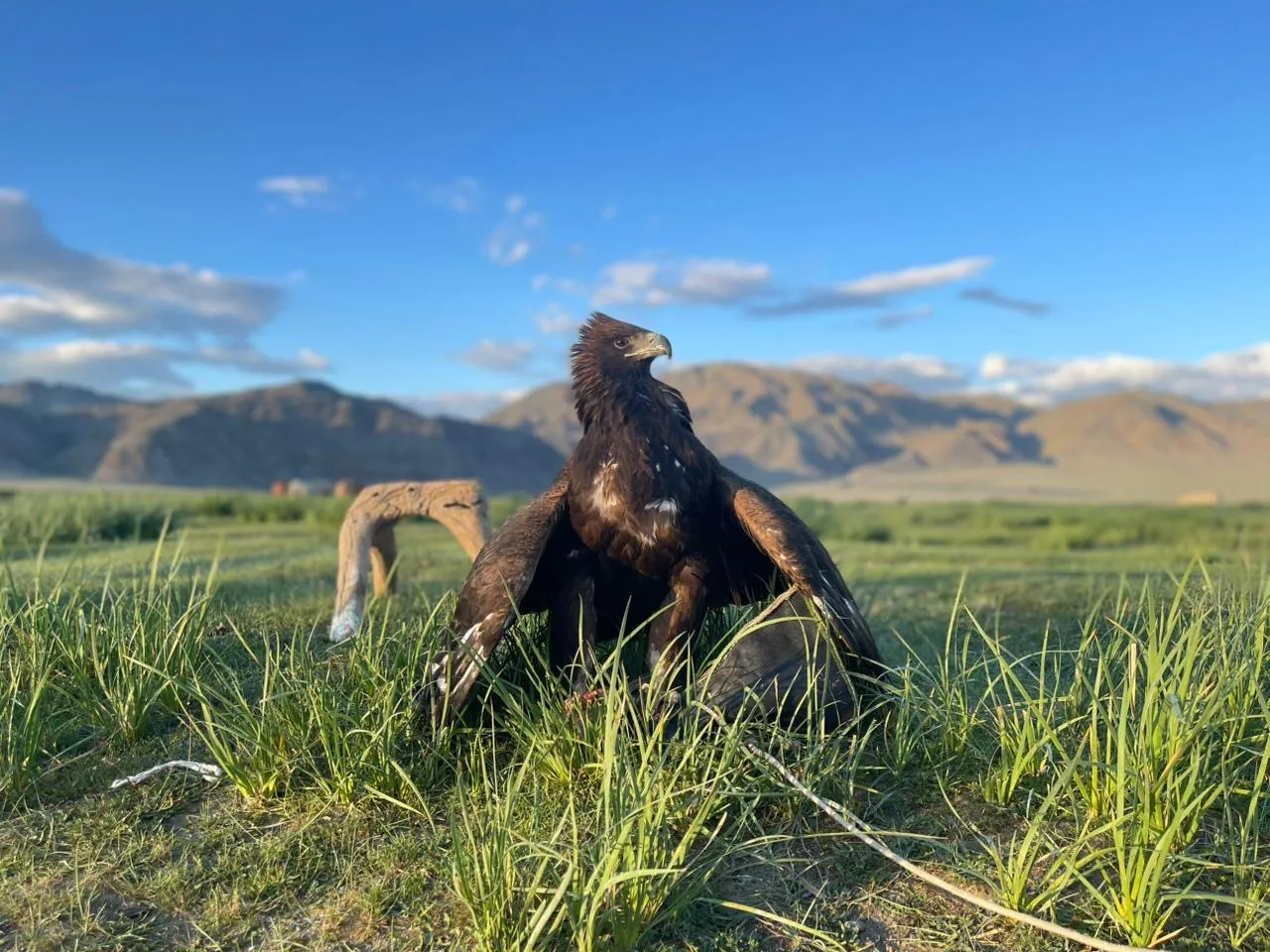
Visit a Kazakh eagle hunter family and learn about their traditional lifestyle and the ancient art of hunting with golden eagles.
Day 14: Return to Ulaanbaatar
Fly back to Ulaanbaatar.